
Rectal Cancer
Expert care for rectal cancer with neoadjuvant chemoradiation, surgery (including sphincter-preserving techniques), and adjuvant therapy.
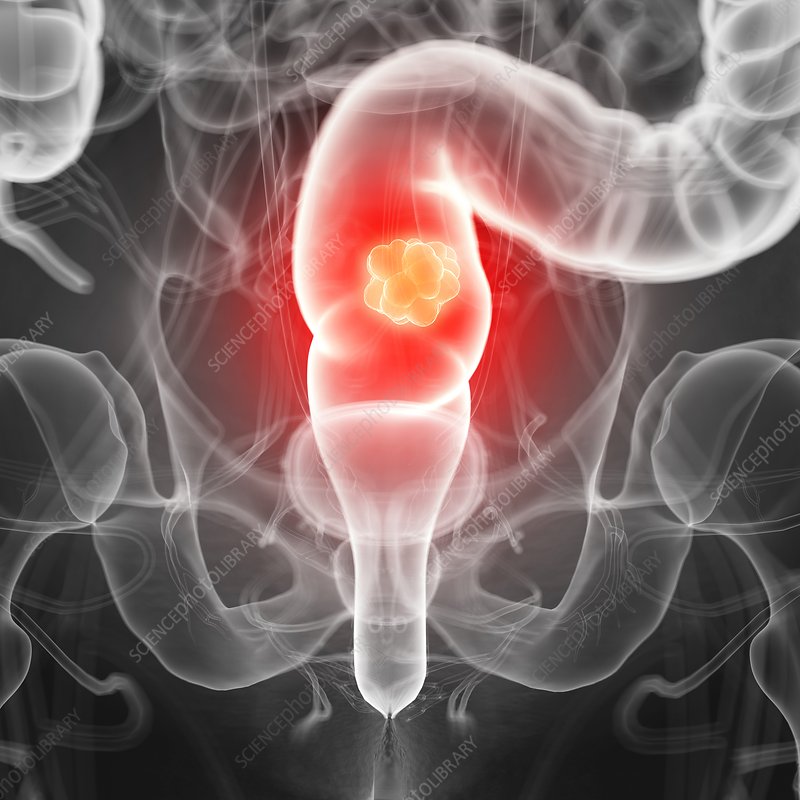
Rectal Cancer
Solid Tumors
Overview
Rectal cancer treatment requires careful coordination between medical oncology, radiation oncology, and surgery. Neoadjuvant chemoradiation is standard for locally advanced disease to shrink tumors and improve surgical outcomes.
When to Consult
After colonoscopy findings, rectal bleeding, changes in bowel habits, tenesmus, or confirmed rectal cancer diagnosis.
What to Bring
Colonoscopy reports, biopsy results, MRI pelvis (essential for staging), CT scans, CEA blood test results, MSI/MMR testing, and surgical history.
Risk Factors
Causes
Treatment Options
Neoadjuvant Chemoradiation
Chemotherapy (typically 5-FU or capecitabine) combined with radiation therapy before surgery. Standard for stage II/III rectal cancer. Shrinks tumor, improves surgical outcomes, and may allow sphincter preservation.
Total Mesorectal Excision (TME)
Surgical removal of rectum and surrounding mesorectal tissue. Low anterior resection (LAR) preserves sphincter when possible. Abdominoperineal resection (APR) removes anus for very low tumors.
Transanal Endoscopic Microsurgery (TEM)
Minimally invasive surgery for very early-stage, small rectal cancers. Preserves rectum and sphincter function.
Watch-and-Wait Approach
For patients with complete clinical response after chemoradiation, close monitoring instead of immediate surgery. Requires careful follow-up.
Adjuvant Chemotherapy
Post-surgical chemotherapy (FOLFOX or CAPOX) to reduce recurrence risk. Typically recommended for stage II/III disease after neoadjuvant treatment.
Targeted Therapy
Bevacizumab, cetuximab, or panitumumab for advanced/metastatic disease. Based on RAS/BRAF mutation status. EGFR inhibitors only for RAS wild-type.
Immunotherapy
Pembrolizumab or nivolumab for MSI-high or dMMR rectal cancer. Highly effective for this molecular subtype.
Radiation Therapy
External beam radiation, often intensity-modulated (IMRT). May include boost to tumor bed. Short-course or long-course protocols available.
Local Ablation
Radiofrequency ablation or cryotherapy for small, localized recurrences or metastases.