
Liver Cancer
Specialized care for liver cancer including surgical resection, liver transplantation, ablation therapy, chemotherapy, and targeted therapy.
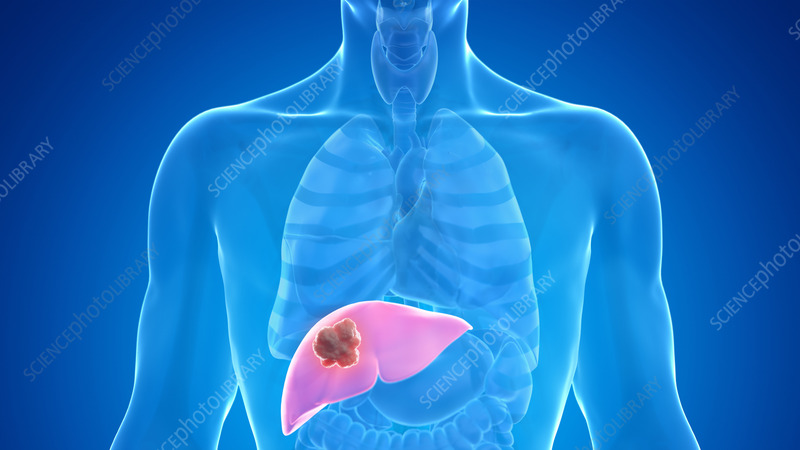
Liver Cancer
Solid Tumors
Overview
Liver cancer (hepatocellular carcinoma) treatment depends on tumor size, number, liver function, and overall health. Options range from curative surgery or transplantation to palliative treatments for advanced disease.
When to Consult
Upon diagnosis of liver cancer, abnormal liver function tests, elevated AFP levels, or suspicious liver imaging findings.
What to Bring
CT/MRI scans, liver biopsy reports, AFP blood test results, hepatitis test results (HBsAg, anti-HCV), liver function tests, and cirrhosis assessment.
Risk Factors
Causes
Treatment Options
Surgical Resection
Partial hepatectomy to remove the tumor and surrounding liver tissue. Best option for patients with good liver function and localized disease. Requires adequate remaining liver function.
Liver Transplantation
Complete liver replacement for selected patients meeting Milan criteria (single tumor ≤5cm or up to 3 tumors ≤3cm each). Offers best long-term survival for eligible patients.
Radiofrequency Ablation (RFA)
Heat-based ablation using radiofrequency energy to destroy small tumors (<3cm). Minimally invasive, can be done percutaneously or laparoscopically.
Microwave Ablation
Similar to RFA but uses microwave energy. Can treat slightly larger tumors and multiple lesions. Faster procedure with larger ablation zones.
Transarterial Chemoembolization (TACE)
Chemotherapy drugs injected directly into liver artery feeding the tumor, followed by embolization to block blood supply. Effective for intermediate-stage disease.
Transarterial Radioembolization (TARE/Y90)
Radioactive microspheres (Yttrium-90) delivered to tumor via hepatic artery. Internal radiation therapy for selected patients.
Targeted Therapy
Sorafenib, lenvatinib, or regorafenib for advanced liver cancer. Multi-kinase inhibitors that block tumor growth and blood vessel formation. Cabozantinib also available.
Immunotherapy
Atezolizumab plus bevacizumab for advanced HCC. Nivolumab or pembrolizumab as second-line options. Immune checkpoint inhibitors showing promise.
Systemic Chemotherapy
FOLFOX regimen may be used in selected cases. Generally less effective than targeted therapy or immunotherapy for HCC.
Radiation Therapy
Stereotactic body radiation therapy (SBRT) for tumors not suitable for surgery or ablation. External beam radiation for localized disease.