
Pancreatic Cancer
Comprehensive treatment for pancreatic cancer including surgery (Whipple procedure), chemotherapy, targeted therapy, and radiation therapy.
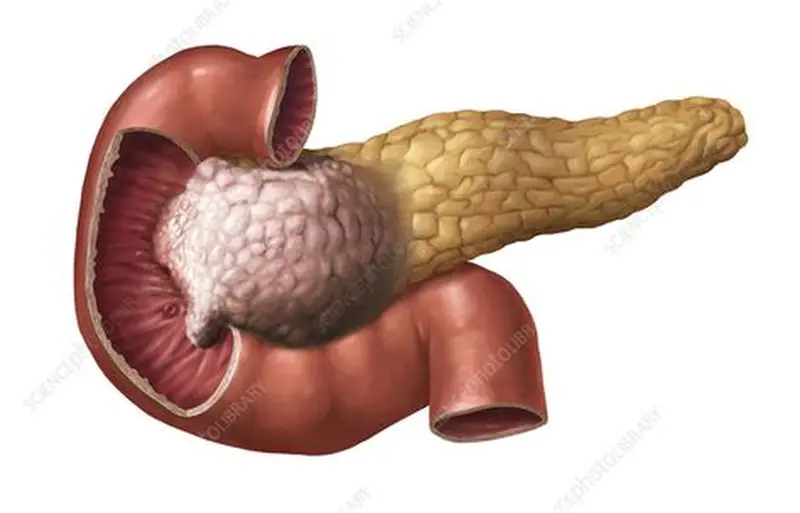
Pancreatic Cancer
Solid Tumors
Overview
Pancreatic cancer is aggressive and often diagnosed at advanced stages. Treatment requires multidisciplinary approach combining surgery, chemotherapy, and targeted therapy. Early detection is challenging but crucial for better outcomes.
When to Consult
Upon diagnosis of pancreatic cancer, jaundice, unexplained weight loss, abdominal pain, back pain, or abnormal pancreatic imaging.
What to Bring
CT/MRI scans, endoscopic ultrasound reports, CA 19-9 blood test results, biopsy reports, genetic testing results (BRCA, PALB2), and previous treatment records.
Risk Factors
Causes
Treatment Options
Whipple Procedure (Pancreaticoduodenectomy)
Surgical removal of head of pancreas, duodenum, gallbladder, part of bile duct, and sometimes part of stomach. Complex procedure for tumors in pancreatic head. Requires experienced surgical team.
Distal Pancreatectomy
Removal of tail and body of pancreas, often with spleen. For tumors in pancreatic body or tail. May be done laparoscopically.
Total Pancreatectomy
Removal of entire pancreas, duodenum, part of stomach, spleen, and gallbladder. Rarely performed, results in diabetes requiring insulin.
Neoadjuvant Chemotherapy
FOLFIRINOX or gemcitabine/nab-paclitaxel before surgery to shrink tumors and improve resectability. May convert borderline resectable to resectable.
Adjuvant Chemotherapy
Post-surgical chemotherapy to reduce recurrence risk. FOLFIRINOX or gemcitabine/capecitabine. Typically started 4-8 weeks after surgery.
Gemcitabine-Based Therapy
Gemcitabine alone or with nab-paclitaxel (Abraxane) for advanced disease. Standard first-line option for metastatic pancreatic cancer.
FOLFIRINOX
Combination of 5-FU, leucovorin, irinotecan, and oxaliplatin. More aggressive regimen for fit patients with good performance status.
Targeted Therapy
Olaparib (PARP inhibitor) for BRCA-mutated pancreatic cancer. Erlotinib combined with gemcitabine. Based on molecular profiling.
Radiation Therapy
External beam radiation, often combined with chemotherapy (chemoradiation). May be used before surgery (neoadjuvant) or after (adjuvant), or for locally advanced disease.
Palliative Care
Symptom management including biliary stenting for jaundice, pain management, nutritional support, and supportive care to improve quality of life.