
Targeted Therapy
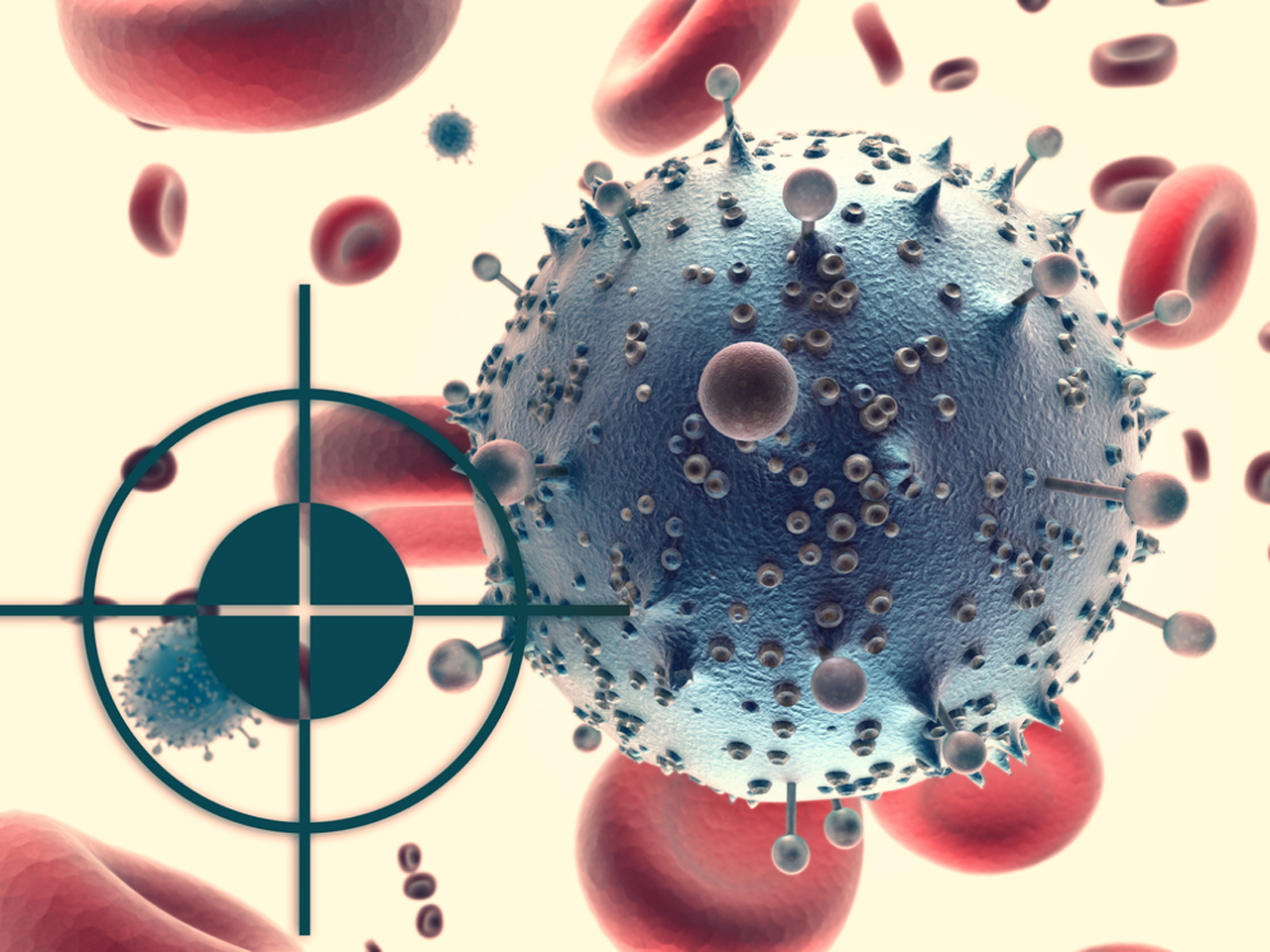
Precision medicine targeting specific cancer cells while minimizing damage to healthy tissues.
Overview
Targeted therapy uses drugs that specifically target cancer cells based on their genetic mutations or other unique characteristics. This precision approach often results in more effective treatment with fewer side effects compared to traditional chemotherapy.
What to Expect
-
Genetic testing and biomarker analysis of your tumor
-
Personalized treatment selection based on test results
-
Treatment with targeted medications (often oral pills)
-
Regular monitoring for response and side effects
-
Adjustment of treatment based on response
Benefits
More precise targeting of cancer cells
Often fewer side effects than traditional chemotherapy
Can be taken orally at home in many cases
Highly effective for cancers with specific genetic mutations
Can be combined with other treatments
Treatment Process
Tumor biopsy or blood sample collection
Genetic testing and biomarker analysis
Review of results and treatment options
Treatment initiation with targeted medications
Regular monitoring and follow-up
Treatment adjustments as needed
Frequently Asked Questions
How is targeted therapy different from chemotherapy?
Targeted therapy specifically targets cancer cells based on their genetic mutations, while chemotherapy affects all rapidly dividing cells. This makes targeted therapy more precise and often less toxic.
Do I need genetic testing?
Yes, genetic testing of your tumor is usually necessary to determine if targeted therapy is appropriate and which specific drug would be most effective.
Can targeted therapy cure cancer?
Targeted therapy can be very effective and may lead to long-term control or remission. While it may not cure all cancers, it often provides significant benefit and improved quality of life.
Book Appointment
Schedule a consultation to discuss your treatment options and create a personalized care plan.
Book via WhatsApp Call NowOther Services
-
Medical Oncology
Comprehensive cancer care with personalized treatment plans tailored to each patient's unique needs.
-
Chemotherapy
Advanced chemotherapy treatments using the latest drugs and protocols for effective cancer management.
-
Immunotherapy
Harnessing the power of the immune system to fight cancer with cutting-edge immunotherapy treatments.