
Penile Cancer
Specialized treatment for penile cancer including surgery, chemotherapy, radiation therapy, and lymph node management with preservation of function when possible.
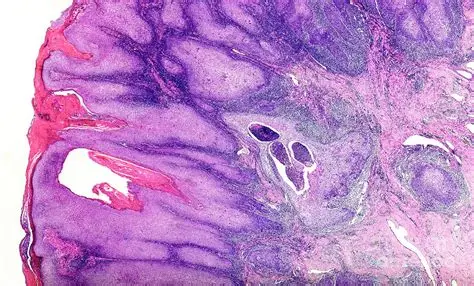
Penile Cancer
Solid Tumors
Overview
Penile cancer is a rare malignancy affecting the penis, most commonly squamous cell carcinoma. Treatment focuses on complete tumor removal while preserving penile function and appearance when possible. Early detection is crucial for successful treatment outcomes. Management includes surgical resection, radiation therapy, chemotherapy, and careful lymph node evaluation.
When to Consult
Upon detection of penile lesion, ulcer, persistent sore, unusual discharge, or confirmed penile cancer diagnosis.
What to Bring
Biopsy reports, photographs of the lesion, imaging scans (CT, MRI pelvis), lymph node biopsy results, HPV test results, and complete urological history.
Risk Factors
Causes
Treatment Options
Surgical Resection
Wide local excision for small, superficial tumors preserving penile structure. Partial penectomy for larger tumors involving the glans or shaft. Total penectomy may be necessary for extensive disease. Reconstructive surgery can help preserve function and appearance when possible.
Mohs Micrographic Surgery
Precise surgical technique that removes cancer layer by layer while preserving healthy tissue. Particularly useful for penile cancer to maximize tissue preservation and function.
Laser Therapy
Carbon dioxide or neodymium laser ablation for very early-stage, superficial penile cancers. Minimally invasive with good cosmetic outcomes.
Radiation Therapy
External beam radiation therapy or brachytherapy for localized disease. Can be used as primary treatment or adjuvant therapy. Helps preserve penile function in selected cases. May cause side effects including skin irritation and changes in penile appearance.
Topical Chemotherapy
5-fluorouracil (5-FU) or imiquimod cream applied directly to early-stage lesions. Effective for carcinoma in situ and very small tumors.
Systemic Chemotherapy
Combination chemotherapy (typically cisplatin-based regimens) for advanced, metastatic, or recurrent disease. May be used before surgery (neoadjuvant) or after surgery (adjuvant). Common regimens include TIP (paclitaxel, ifosfamide, cisplatin) or BEP (bleomycin, etoposide, cisplatin).
Lymph Node Management
Inguinal lymph node dissection for confirmed or high-risk lymph node involvement. Sentinel lymph node biopsy for staging. Prophylactic lymph node dissection may be considered for high-risk primary tumors.
Immunotherapy
Immune checkpoint inhibitors (pembrolizumab, nivolumab) for advanced or metastatic penile cancer. Particularly effective for tumors with high PD-L1 expression or high tumor mutational burden.
Targeted Therapy
Molecularly targeted treatments based on genetic profiling of the tumor. May include EGFR inhibitors or other targeted agents when specific mutations are identified.
Combination Therapy
Multimodal approach combining surgery, radiation, and chemotherapy tailored to tumor stage, location, patient age, and functional goals. Careful coordination between urologist, medical oncologist, and radiation oncologist.