Gastric Cancer
Advanced treatment options for stomach cancer including surgery, chemotherapy, and targeted therapy.
Gastric Cancer
Solid Tumors
Overview
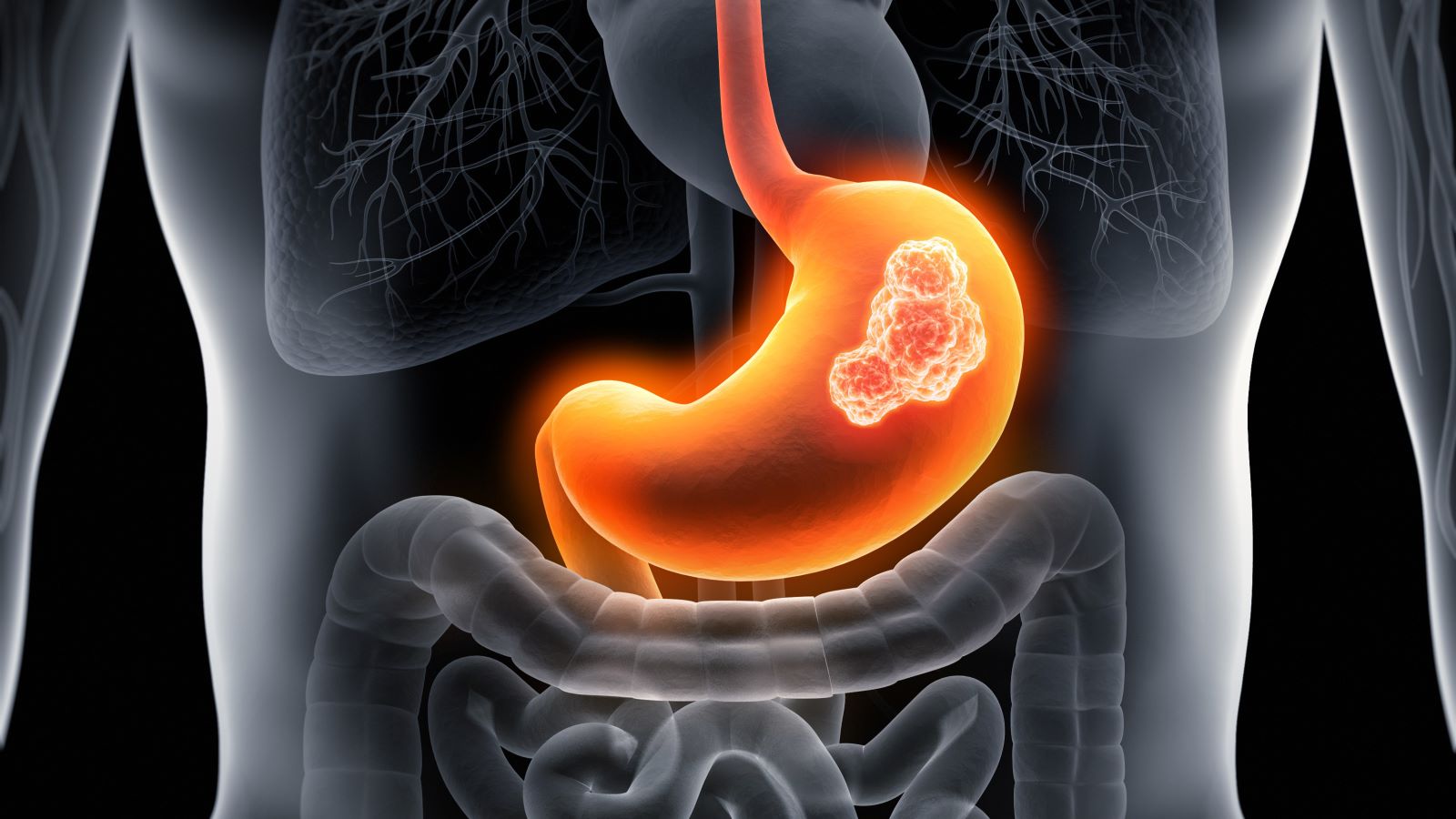
Gastric cancer treatment depends on stage, location, and molecular characteristics. Early-stage disease may be cured with surgery, while advanced disease requires multimodal therapy including chemotherapy, targeted therapy, and immunotherapy.
When to Consult
Upon diagnosis of gastric cancer, persistent indigestion, stomach pain, difficulty swallowing, or suspicious findings on endoscopy.
What to Bring
Endoscopy reports, biopsy results, CT scans, HER2 testing results, MSI/MMR testing, PD-L1 testing, and previous treatment records.
Risk Factors
Causes
Treatment Options
Gastrectomy
Subtotal gastrectomy (removal of part of stomach) or total gastrectomy (removal of entire stomach). May include lymph node dissection. Can be done laparoscopically or open surgery.
Neoadjuvant Chemotherapy
Chemotherapy before surgery (FLOT regimen: 5-FU, leucovorin, oxaliplatin, docetaxel) to shrink tumors and improve surgical outcomes. Standard for locally advanced disease.
Perioperative Chemotherapy
Chemotherapy before and after surgery. ECF/ECX or FLOT regimens. Improves survival compared to surgery alone.
Adjuvant Chemotherapy
Post-surgical chemotherapy (XELOX or S-1) to reduce recurrence risk. Based on stage and surgical margins.
HER2-Targeted Therapy
Trastuzumab combined with chemotherapy for HER2-positive gastric cancer. Pertuzumab may also be used. Targets HER2 protein overexpressed in some gastric cancers.
Immunotherapy
Pembrolizumab for MSI-high or PD-L1 positive advanced gastric cancer. Nivolumab combined with chemotherapy showing promise. May be first-line or later-line treatment.
Targeted Therapy
Ramucirumab (anti-VEGF) combined with paclitaxel for second-line treatment. Apatinib (VEGFR inhibitor) available in some regions.
Radiation Therapy
External beam radiation, often combined with chemotherapy (chemoradiation). May be used before surgery (neoadjuvant) or after (adjuvant), or for locally advanced unresectable disease.
Palliative Care
Symptom management including stenting for obstruction, pain management, nutritional support, and supportive care to improve quality of life.