
Cholangiocarcinoma
Specialized care for bile duct cancer, including surgical options, chemotherapy, and targeted therapy.
Cholangiocarcinoma
Solid Tumors
Overview
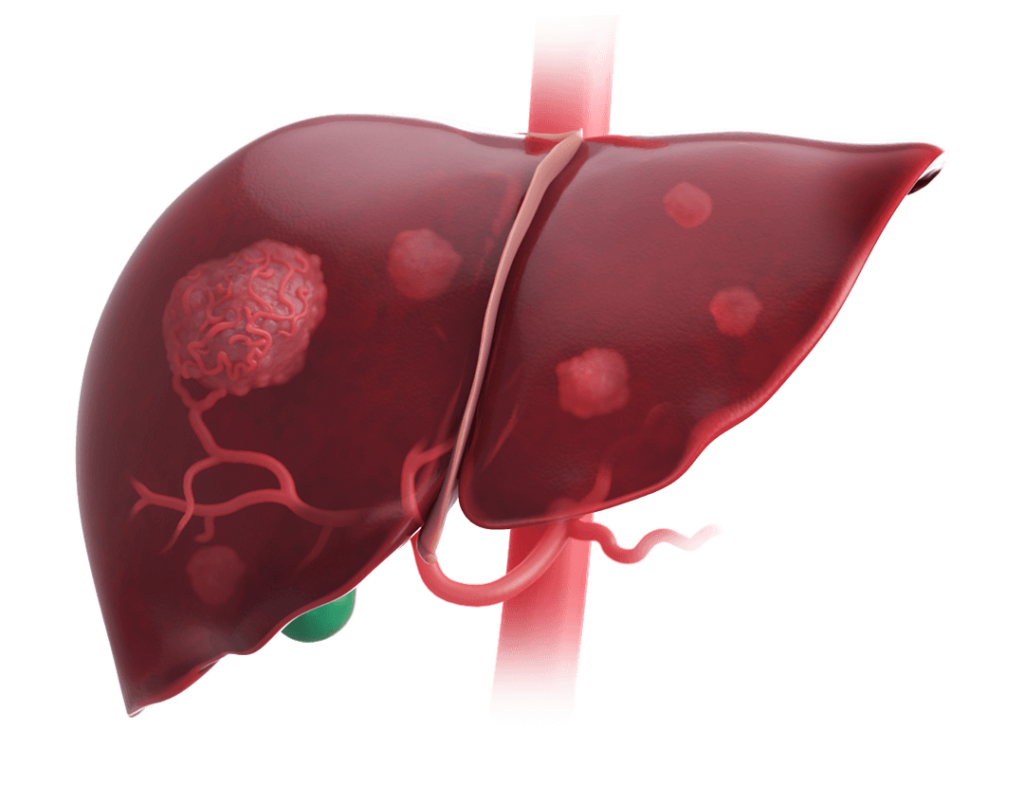
Cholangiocarcinoma is a rare but aggressive cancer of bile ducts. Treatment depends on location (intrahepatic, perihilar, or distal), resectability, and molecular characteristics. Early detection and complete surgical resection offer best outcomes.
When to Consult
Upon diagnosis of bile duct cancer, jaundice, unexplained weight loss, abdominal pain, or suspicious imaging findings.
What to Bring
CT/MRI scans, ERCP reports, biopsy results, CA 19-9 and CEA blood tests, genetic testing results (IDH1, FGFR2), and liver function tests.
Risk Factors
Causes
Treatment Options
Surgical Resection
Complete surgical removal of tumor and affected bile ducts. Options include partial hepatectomy for intrahepatic, Whipple procedure for distal, or complex biliary reconstruction for perihilar tumors. Requires experienced hepatobiliary surgeon.
Liver Transplantation
For selected patients with perihilar cholangiocarcinoma meeting specific criteria. Combined with neoadjuvant chemoradiation protocol.
Biliary Drainage
ERCP or PTC to place stents and relieve jaundice. Important for symptom relief and preparation for treatment.
Gemcitabine/Cisplatin
Standard first-line chemotherapy for advanced cholangiocarcinoma. Combination therapy showing improved survival compared to gemcitabine alone.
FOLFOX Chemotherapy
5-FU, leucovorin, and oxaliplatin. Second-line option after gemcitabine/cisplatin. Also used as adjuvant therapy after surgery.
Targeted Therapy
Ivosidenib (IDH1 inhibitor) for IDH1-mutated tumors. Pemigatinib or infigratinib (FGFR2 inhibitors) for FGFR2 fusion-positive tumors. Based on molecular profiling.
Immunotherapy
Pembrolizumab for MSI-high or dMMR cholangiocarcinoma. Durvalumab combined with chemotherapy showing promise. Clinical trials ongoing.
Radiation Therapy
External beam radiation, often combined with chemotherapy (chemoradiation). May be used before surgery (neoadjuvant), after surgery (adjuvant), or for locally advanced disease.
Radioembolization (Y90)
Internal radiation therapy using Yttrium-90 microspheres for intrahepatic cholangiocarcinoma. Delivered via hepatic artery.
Photodynamic Therapy
Light-activated therapy combined with photosensitizing agent. Used for palliation in selected cases of unresectable disease.