
Adrenal Cancer
Expert management of adrenal cancer including surgery (adrenalectomy), chemotherapy, targeted therapy, and hormone management.
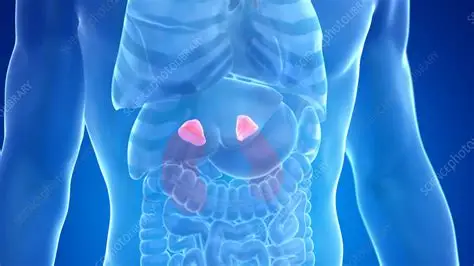
Adrenal Cancer
Solid Tumors
Overview
Adrenal cancer (adrenocortical carcinoma) is rare and aggressive. Treatment requires multidisciplinary approach including surgery, chemotherapy, and hormone management. Early detection and complete surgical resection offer best outcomes.
When to Consult
Upon diagnosis of adrenal mass, hormonal abnormalities (Cushing's syndrome, Conn's syndrome, pheochromocytoma symptoms), or confirmed adrenal cancer diagnosis.
What to Bring
CT/MRI scans, hormone level tests (cortisol, aldosterone, catecholamines, metanephrines), biopsy reports, genetic testing results, and complete endocrine history.
Risk Factors
Causes
Treatment Options
Adrenalectomy
Surgical removal of affected adrenal gland. Open or laparoscopic approach. Complete resection crucial for cure. May require removal of adjacent organs if invaded.
Mitotane
Adrenolytic chemotherapy drug specific for adrenal cancer. Used as adjuvant therapy after surgery or for advanced disease. Requires careful monitoring of hormone levels.
EDP Chemotherapy
Etoposide, doxorubicin, and cisplatin combination. Standard chemotherapy regimen for advanced adrenal cancer. Often combined with mitotane.
Hormone Management
Managing excess hormone production (cortisol, aldosterone, androgens). Medications to block hormone synthesis or action. Essential for symptom control.
Targeted Therapy
Sunitinib or other multi-kinase inhibitors for advanced disease. Based on molecular profiling. Clinical trials evaluating various targeted agents.
Immunotherapy
Pembrolizumab or other checkpoint inhibitors being evaluated in clinical trials. May be effective for selected patients.
Radiation Therapy
External beam radiation for local control or palliation. May be used for residual disease or metastases.
Ablation Therapy
Radiofrequency or microwave ablation for liver or lung metastases that cannot be surgically removed.