
Actinic Keratosis
Treatment for actinic keratosis, a precancerous skin condition that can develop into skin cancer if left untreated.
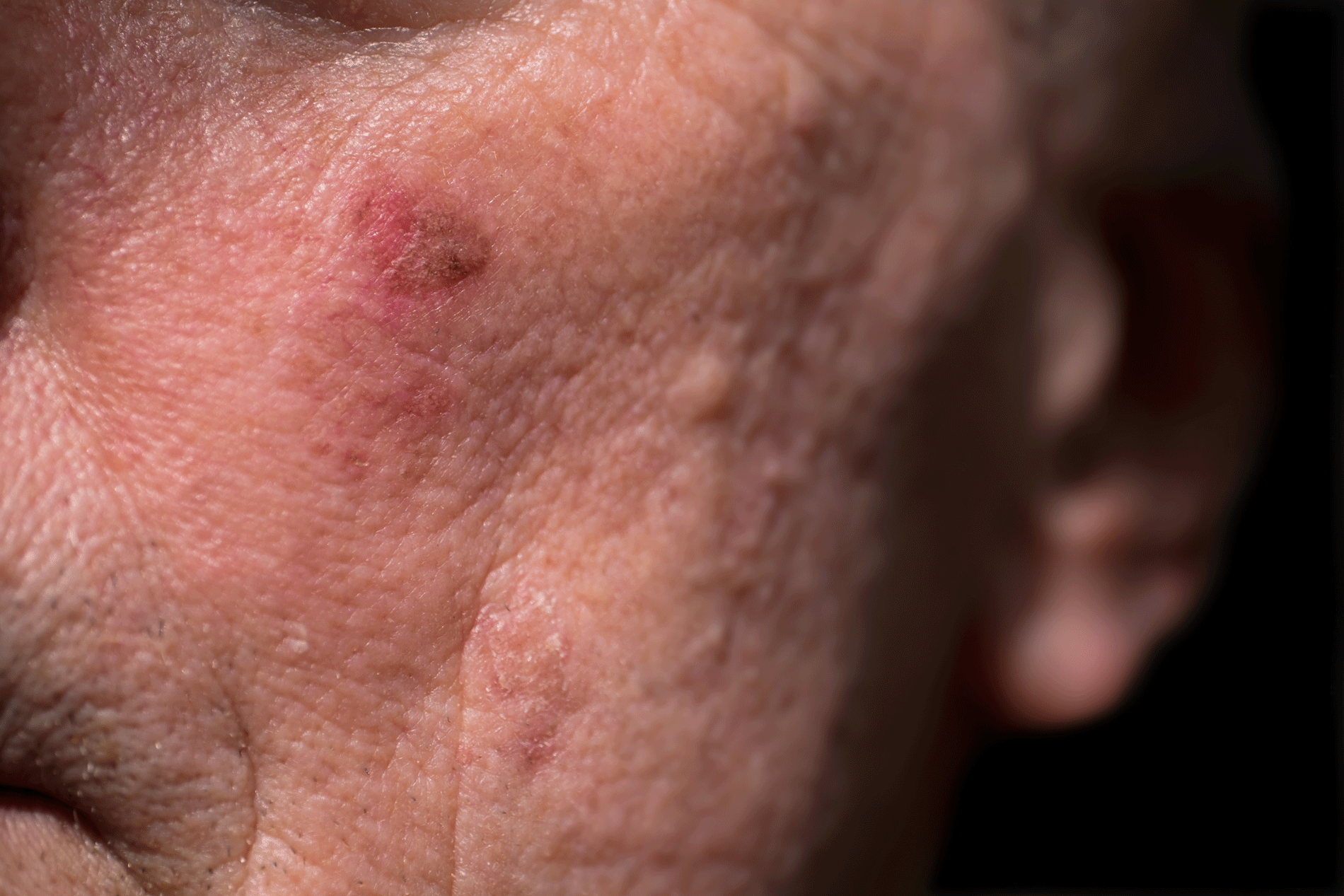
Actinic Keratosis
Solid Tumors
Overview
Actinic keratosis (AK) are precancerous lesions caused by sun damage. While most remain benign, some can progress to squamous cell carcinoma. Early treatment prevents progression and reduces skin cancer risk.
When to Consult
If you notice rough, scaly patches on sun-exposed areas of skin, especially face, scalp, ears, hands, or arms.
What to Bring
Previous skin biopsy reports, photographs of affected areas, list of medications, and history of sun exposure.
Risk Factors
Causes
Treatment Options
5-Fluorouracil (5-FU) Cream
Topical chemotherapy cream applied to affected areas. Causes inflammation and destruction of abnormal cells. Treatment course typically 2-4 weeks. Effective for multiple lesions.
Imiquimod Cream
Immune response modifier that stimulates immune system to attack abnormal cells. Applied 2-3 times per week for several weeks. Good for face and scalp.
Diclofenac Gel
Non-steroidal anti-inflammatory gel. Applied twice daily for 60-90 days. Gentler option with less irritation.
Ingenol Mebutate
Topical treatment derived from plant. Short treatment course (2-3 days for face/scalp, 2 days for trunk/extremities). Rapid treatment option.
Cryotherapy
Liquid nitrogen freezing to destroy lesions. Quick, effective for individual lesions. May cause temporary redness, blistering, or scarring.
Photodynamic Therapy (PDT)
Topical photosensitizing agent applied, then activated with blue or red light. Effective for multiple lesions, especially on face and scalp. Excellent cosmetic results.
Chemical Peels
Trichloroacetic acid or other agents to remove damaged skin layers. Can treat multiple lesions simultaneously.
Laser Therapy
Ablative laser resurfacing to remove damaged skin. Good for extensive actinic keratosis. Requires healing time.
Surgical Removal
Shave excision, curettage, or surgical excision for persistent, suspicious, or thick lesions. Allows for histologic examination.
Prevention and Sun Protection
Daily sunscreen use (SPF 30+), protective clothing, avoiding peak sun hours, regular skin exams, and vitamin B3 (nicotinamide) supplementation may help prevent new lesions.