
Hodgkin Lymphoma
Treatment for Hodgkin lymphoma with chemotherapy, radiation therapy, and immunotherapy options.
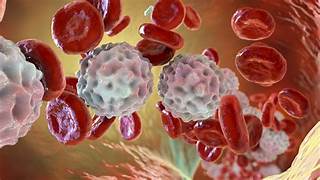
Hodgkin Lymphoma
Hematologic Malignancies
Overview
Hodgkin lymphoma is highly curable, especially in early stages. Treatment depends on stage, bulk of disease, and risk factors. Modern protocols achieve >90% cure rates. Treatment includes chemotherapy, radiation, and immunotherapy.
When to Consult
After lymph node biopsy confirms Hodgkin lymphoma, persistent enlarged lymph nodes, night sweats, weight loss, or fever.
What to Bring
Biopsy report, PET-CT scan, bone marrow biopsy, blood test results, EBV testing, and staging workup results.
Risk Factors
Causes
Treatment Options
ABVD Chemotherapy
Doxorubicin, bleomycin, vinblastine, dacarbazine. Standard first-line regimen. Typically 4-6 cycles. Highly effective with manageable side effects.
BEACOPP
Bleomycin, etoposide, doxorubicin, cyclophosphamide, vincristine, procarbazine, prednisone. More intensive regimen for advanced or high-risk disease.
AVD (ABVD without bleomycin)
Modified regimen avoiding bleomycin to reduce lung toxicity risk. Used in selected patients.
Radiation Therapy
Involved-field or involved-site radiation after chemotherapy. Lower doses than historical protocols. May be omitted in selected early-stage patients with complete response to chemotherapy.
Brentuximab Vedotin
Antibody-drug conjugate targeting CD30. Highly effective for relapsed/refractory disease. Also used as consolidation after autologous transplant.
Immunotherapy
Nivolumab or pembrolizumab (PD-1 inhibitors) for relapsed/refractory Hodgkin lymphoma. Remarkable response rates. May be used alone or combined with other agents.
Autologous Stem Cell Transplantation
High-dose chemotherapy followed by stem cell rescue for relapsed disease. Standard treatment for first relapse. Often combined with brentuximab vedotin.
Allogeneic Stem Cell Transplantation
Donor stem cell transplant for multiply relapsed disease. Graft-versus-lymphoma effect. Reserved for selected patients.
PET-Adapted Therapy
Treatment intensity adjusted based on interim PET scan results. Allows de-escalation for good responders or intensification for poor responders.