
Rectal Cancer
Expert care for rectal cancer with neoadjuvant chemoradiation, surgery (including sphincter-preserving techniques), and adjuvant therapy.
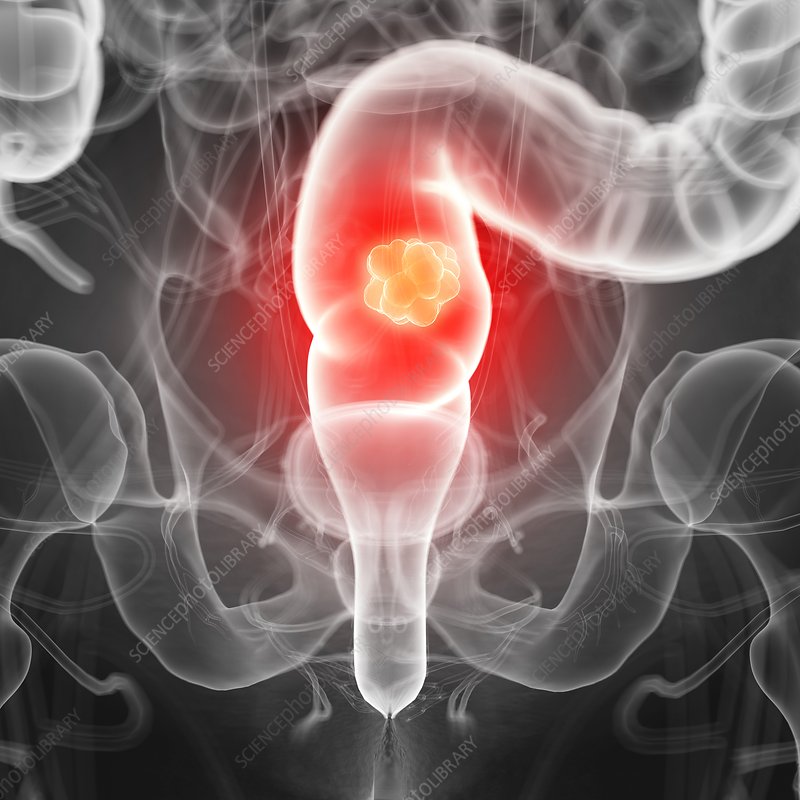
Rectal Cancer
Solid Tumors
Overview
Rectal cancer is a major gastrointestinal malignancy that originates in the rectum, which comprises the final 12 to 15 centimeters of the large intestine, terminating at the anus. While rectal cancer shares many genetic and epidemiological characteristics with colon cancer (collectively referred to as colorectal cancer), it is treated as a distinct clinical entity due to the rectum's anatomical location within the narrow confines of the bony pelvis. The rectum is surrounded by critical structures, including the urinary bladder, prostate and seminal vesicles in men, uterus and vagina in women, and the complex pelvic nerves that control urinary and sexual functions.
In addition, the rectum lacks a serosal outer layer in its lower portion, making it easier for tumors to invade surrounding structures. Over 95% of rectal cancers are adenocarcinomas. Symptoms of rectal cancer commonly include visible bright red blood in the stool (hematochezia), a change in bowel habits (frequent, small bowel movements), a persistent feeling of incomplete bowel evacuation (tenesmus), narrowing of the stool caliber ('pencil-thin' stools), pelvic pain, unexplained iron deficiency anemia, and unexplained weight loss.
As the tumor grows, it can cause partial or complete bowel obstruction. Because of the high risk of local recurrence in the pelvis, the management of rectal cancer is highly multidisciplinary.
When to Consult
After colonoscopy findings, rectal bleeding, changes in bowel habits, tenesmus, or confirmed rectal cancer diagnosis.
What to Bring
Colonoscopy reports, biopsy results, MRI pelvis (essential for staging), CT scans, CEA blood test results, MSI/MMR testing, and surgical history.
Risk Factors
Causes
Treatment Options
Neoadjuvant Chemoradiotherapy
Neoadjuvant therapy (treatment before surgery) is the standard of care for locally advanced rectal cancer (Stage II and III). The traditional approach is long-course Chemoradiotherapy, which combines pelvic external beam radiation therapy with oral capecitabine or intravenous 5-fluorouracil chemotherapy over 5 to 6 weeks. Alternatively, short-course radiotherapy (5 days of high-dose radiation) is used. Recently, Total Neoadjuvant Therapy (TNT) has become preferred, where both radiation and a full course of systemic chemotherapy are completed before surgery. Neoadjuvant therapy shrinks the tumor, decreases the risk of local recurrence in the pelvis, and increases the likelihood of sphincter-preserving surgery.
Total Mesorectal Excision (TME) and Sphincter Preservation
Surgery is the definitive curative treatment for rectal cancer. The gold standard surgical technique is Total Mesorectal Excision (TME), which involves the sharp dissection and removal of the rectal segment containing the tumor along with the surrounding mesorectum (the fatty tissue envelope containing lymph nodes and blood vessels), preserving the autonomic nerves. For tumors in the upper and middle rectum, a Low Anterior Resection (LAR) is performed, joining the colon to the remaining rectum and preserving the anal sphincter. For very low tumors invading the sphincter, an Abdominoperineal Resection (APR) is required, removing the rectum and anus, resulting in a permanent colostomy. TME is performed open, laparoscopically, or robotically.
Non-Surgical 'Watch and Wait' Approach
For patients with locally advanced rectal cancer who achieve a Complete Clinical Response (cCR) after completing neoadjuvant chemoradiation (meaning there is no evidence of tumor on repeat MRI, endoscopy, and DRE), a non-surgical management strategy known as 'Watch and Wait' is increasingly offered. Instead of undergoing major surgery, these patients are monitored closely with regular endoscopies, pelvic MRIs, and DREs. If the tumor recurs locally (which happens in about 20-30% of cases, usually within the first two years), salvage surgery is performed. This approach allows eligible patients to avoid the risks of surgery, temporary or permanent colostomies, and bowel/sexual dysfunction.
Adjuvant and Palliative Chemotherapy
Chemotherapy is used following surgery (adjuvant) or as the primary treatment for metastatic rectal cancer. Adjuvant chemotherapy is recommended for patients with Stage II or III disease who did not receive neoadjuvant chemotherapy , and is often considered for those who did, to eradicate micrometastases. Regimens are platinum-based doublets, primarily FOLFOX (5-FU, Leucovorin, Oxaliplatin) or CAPOX (Capecitabine, Oxaliplatin). In the metastatic setting, systemic chemotherapy is combined with targeted agents (like Bevacizumab or Cetuximab/Panitumumab for RAS wild-type tumors) to control disease. Immunotherapy is used for the rare subset of mismatch repair-deficient (dMMR/MSI-H) rectal cancers.
Frequently Asked Questions
Q. What is the most effective treatment for Rectal Cancer?
The most effective treatment for Rectal Cancer depends on the stage, location, molecular profile of the tumor, and the patient's overall health. Dr. R. Srinath Bharadwaj provides personalized protocols including chemotherapy , immunotherapy , targeted therapy , or combination approaches.
Q. Where can I get expert treatment for Rectal Cancer in Hyderabad?
You can consult Dr. R. Srinath Bharadwaj, a leading Medical Oncologist, at the American Oncology Institute, Nallagandla, Hyderabad. Call +91 82476 51202 to schedule an appointment.
Q. What documents should I bring for a Rectal Cancer consultation?
Please bring all recent biopsy reports, imaging scans (CT, MRI, or PET-CT), tumor markers, blood test results, and any previous treatment or surgery details to help outline your care plan.