
Lung Cancer
Comprehensive treatment for lung cancer including surgery, chemotherapy, targeted therapy, immunotherapy, and radiation therapy tailored to cancer type and stage.
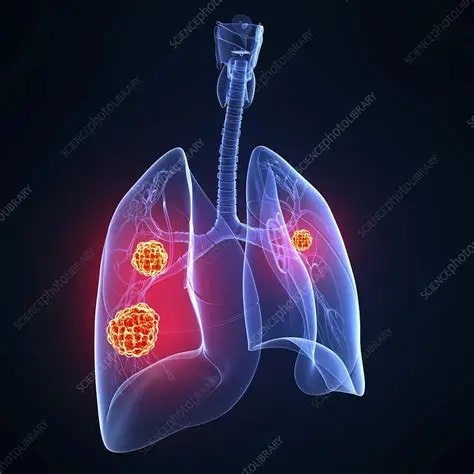
Lung Cancer
Solid Tumors
Overview
Lung cancer is one of the most prevalent and serious malignancies globally, characterized by the uncontrolled growth of abnormal cells in the tissues of the lungs, typically in the cells lining the air passages. The respiratory system is divided into the trachea, bronchi, and alveoli, and tumors can arise in any of these areas. Lung cancer is broadly categorized into two major types: Non-Small Cell Lung Cancer (NSCLC), which accounts for approximately 85% of cases, and Small Cell Lung Cancer (SCLC), which accounts for about 15% and is highly aggressive.
NSCLC is further divided into adenocarcinoma, squamous cell carcinoma, and large cell carcinoma. Adenocarcinoma is the most common form, often found in outer parts of the lungs and frequently occurring in non-smokers. Squamous cell carcinoma typically begins in the central bronchi.
Small cell lung cancer is almost exclusively associated with heavy smoking and tends to metastasize rapidly to other organs, including the brain, liver, bone, and adrenal glands. Symptoms of lung cancer often do not appear in the early stages, making early detection difficult. When symptoms do develop, they commonly include a persistent, worsening cough, coughing up blood (hemoptysis), chest pain that worsens with deep breathing or coughing, shortness of breath (dyspnea), unexplained weight loss, fatigue, recurrent respiratory infections like bronchitis or pneumonia, and hoarseness.
As the disease advances, systemic symptoms or symptoms related to metastatic spread, such as bone pain, neurological changes (headaches, seizures, weakness), and swelling of the face and neck (superior vena cava syndrome) may occur. Understanding the cellular type and clinical stage of the cancer is critical, as it directly guides the therapeutic approach and prognosis.
When to Consult
Upon diagnosis of lung cancer, persistent cough, chest pain, or abnormal chest imaging findings.
What to Bring
CT scans, PET-CT scans, biopsy reports, pulmonary function tests, and blood test results.
Risk Factors
Causes
Treatment Options
Surgical Resection and Reconstruction
Surgical intervention remains the primary curative treatment for early-stage (Stage I to IIIA) Non-Small Cell Lung Cancer. The choice of surgical procedure depends on the tumor size, location, and the patient's underlying pulmonary function. Standard procedures include Lobectomy, which involves the complete removal of one of the lobes of the lung; Pneumonectomy, the removal of an entire lung, typically reserved for central tumors; Segmentectomy or Wedge Resection, which removes a smaller section of the lobe for patients with limited lung capacity or very small peripheral tumors. During surgery, mediastinal lymph node dissection is performed to ensure accurate staging and check for microscopic spread. Modern techniques utilize Video-Assisted Thoracoscopic Surgery (VATS) or Robotic-Assisted Thoracic Surgery, which are minimally invasive, reducing postoperative pain, hospital stay, and recovery time compared to traditional open thoracotomy.
Systemic Cytotoxic Chemotherapy
Chemotherapy uses powerful systemic medications to destroy rapidly dividing cancer cells throughout the body. In lung cancer, it can be administered in several settings. Neoadjuvant chemotherapy is given before surgery to shrink the tumor, making it easier to remove and addressing early micrometastatic disease. Adjuvant chemotherapy is administered after surgical resection to kill any remaining microscopic cancer cells and reduce the risk of recurrence. For advanced or metastatic stages, chemotherapy serves as a primary treatment to control cancer growth, alleviate symptoms, and prolong survival. The standard regimen typically consists of a platinum-based doublet (combining cisplatin or carboplatin with drugs like pemetrexed for adenocarcinoma, or gemcitabine/paclitaxel for squamous cell carcinoma). Side effects are managed with modern supportive care drugs.
Genetically Targeted Therapy
Targeted therapy represents a major breakthrough in personalized oncology, designed to block specific molecular pathways that drive cancer cell growth. These treatments are highly effective for patients whose tumors harbor specific genetic alterations identified through molecular profiling. For patients with EGFR mutations, oral tyrosine kinase inhibitors (TKIs) like Osimertinib, Gefitinib, or Erlotinib are used. Patients with ALK rearrangements respond exceptionally well to ALK inhibitors such as Alectinib, Brigatinib, or Lorlatinib. Other targeted agents are available for ROS1, BRAF V600E, RET, MET, and KRAS G12C mutations. By specifically targeting cancer cells while sparing normal tissue, these therapies offer higher response rates and significantly fewer side effects compared to traditional chemotherapy .
Cancer Immunotherapy
Immunotherapy is a revolutionary treatment modality that works by stimulating the patient's own immune system to recognize and destroy cancer cells. The most common immunotherapies used in lung cancer are immune checkpoint inhibitors, which target proteins like PD-1, PD-L1, or CTLA-4. These proteins act as 'brakes' on the immune system, which cancer cells exploit to hide from immune detection. By blocking these checkpoints, drugs such as Pembrolizumab, Nivolumab, Durvalumab, and Atezolizumab unleash T-cells to attack the tumor. Immunotherapy is used as a first-line treatment for advanced NSCLC with high PD-L1 expression, in combination with chemotherapy , and as consolidation therapy after chemoradiation for Stage III unresectable NSCLC, showing durable survival benefits.
Advanced Radiation Therapy Techniques
Radiation therapy uses high-energy beams to destroy cancer cells and shrink tumors. In lung cancer, it is utilized as a primary treatment for patients who are not surgical candidates, combined with chemotherapy for Stage III disease, or used palliatively to relieve pain, bleeding, or airway obstruction. Advanced techniques include Stereotactic Body Radiotherapy (SBRT), also known as Stereotactic Ablative Radiotherapy (SABR), which delivers extremely precise, high doses of radiation to small, early-stage tumors over a few sessions, sparing surrounding healthy lung tissue. Intensity-Modulated Radiation Therapy (IMRT) and Image-Guided Radiation Therapy (IGRT) further enhance precision. Prophylactic Cranial Irradiation (PCI) is often used in SCLC to prevent brain metastases.
Multidisciplinary Supportive and Palliative Care
Supportive and palliative care is integrated early in the treatment pathway of lung cancer, focusing on symptom management, improving quality of life, and supporting patients and families. Lung cancer patients often experience physical symptoms such as shortness of breath, chronic cough, pain, and fatigue, as well as emotional distress. Palliative care specialists work alongside oncologists to provide optimal pain control, manage side effects of chemotherapy and radiation, offer nutritional support, and assist with advance care planning. Interventions like thoracentesis or indwelling pleural catheters may be used to drain fluid accumulation around the lungs (pleural effusion), providing immediate relief from breathlessness.
Frequently Asked Questions
Q. What is the most effective treatment for Lung Cancer?
The most effective treatment for Lung Cancer depends on the stage, location, molecular profile of the tumor, and the patient's overall health. Dr. R. Srinath Bharadwaj provides personalized protocols including chemotherapy , immunotherapy , targeted therapy , or combination approaches.
Q. Where can I get expert treatment for Lung Cancer in Hyderabad?
You can consult Dr. R. Srinath Bharadwaj, a leading Medical Oncologist, at the American Oncology Institute, Nallagandla, Hyderabad. Call +91 82476 51202 to schedule an appointment.
Q. What documents should I bring for a Lung Cancer consultation?
Please bring all recent biopsy reports, imaging scans (CT, MRI, or PET-CT), tumor markers, blood test results, and any previous treatment or surgery details to help outline your care plan.