Liver Cancer
Specialized care for liver cancer including surgical resection, liver transplantation, ablation therapy, chemotherapy, and targeted therapy.
Liver Cancer
Solid Tumors
Overview
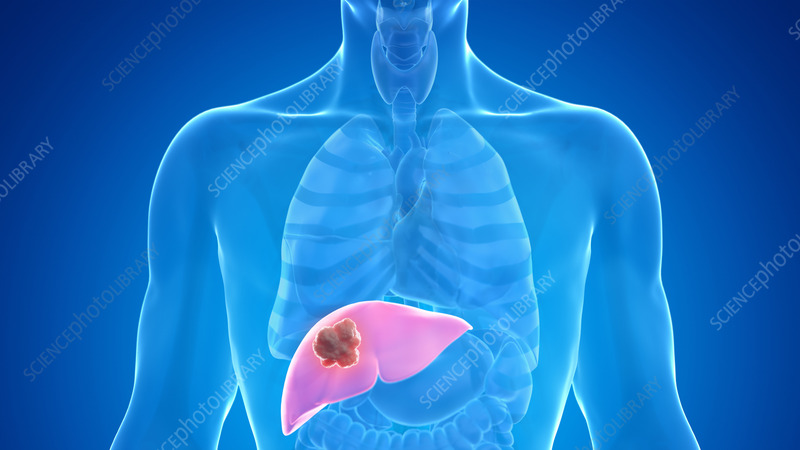
Liver cancer is a highly lethal malignancy that originates in the cells of the liver, with Hepatocellular Carcinoma (HCC) accounting for 75% to 85% of primary liver cancers. Other types include Intrahepatic Cholangiocarcinoma (bile duct cancer) and rare tumors like angiosarcoma. HCC primarily develops in the setting of chronic liver injury, inflammation, and cirrhosis, which is liver scarring caused by long-term damage.
The most common underlying causes of cirrhosis leading to HCC are chronic infections with Hepatitis B Virus (HBV) or Hepatitis C Virus (HCV), alcohol abuse, and increasingly, Non-Alcoholic Fatty Liver Disease (NAFLD) associated with obesity, metabolic syndrome, and Type 2 diabetes. The tumor cells grow rapidly, utilizing the liver's rich blood supply from the hepatic artery. HCC has a strong propensity to invade the portal vein and hepatic veins, leading to intrahepatic spread and portal hypertension.
Distant metastasis occurs in the lungs, bones, and lymph nodes. Symptoms of liver cancer are often absent or subtle in the early stages, often masked by symptoms of preexisting liver cirrhosis. When symptoms manifest, they include abdominal pain (especially in the upper right quadrant), a palpable mass or fullness in the upper abdomen, unexplained weight loss, loss of appetite, fatigue, jaundice (yellowing of the skin and eyes), dark urine, pale stools, ascites (abdominal fluid accumulation), and worsening of hepatic encephalopathy.
Prognosis is determined not only by the tumor stage but also by the severity of the patient's underlying liver function, graded using systems like the Child-Pugh score or the ALBI grade.
When to Consult
Upon diagnosis of liver cancer, abnormal liver function tests, elevated AFP levels, or suspicious liver imaging findings.
What to Bring
CT/MRI scans, liver biopsy reports, AFP blood test results, hepatitis test results (HBsAg, anti-HCV), liver function tests, and cirrhosis assessment.
Risk Factors
Causes
Treatment Options
Surgical Hepatic Resection
Surgical resection (partial hepatectomy) involves removing the liver tumor along with a margin of surrounding healthy liver tissue. It is the primary curative treatment for patients with localized HCC who do not have underlying cirrhosis, or those with early-stage disease and preserved liver function (Child-Pugh Class A) without significant portal hypertension. The success of the surgery depends on the size and number of tumors, absence of major vascular invasion, and the volume of the Future Liver Remnant (FLR). The remaining liver tissue must be sufficient to maintain vital metabolic functions. Resection carries a risk of liver failure and recurrence, making careful patient selection crucial.
Orthotopic Liver Transplantation
Liver transplantation is the gold standard curative treatment for patients with early-stage HCC who have advanced cirrhosis or portal hypertension that precludes surgical resection. Unlike resection, transplantation cures both the cancer and the underlying liver disease. Eligibility is determined by strict criteria, such as the Milan Criteria (a single tumor <= 5 cm, or up to 3 tumors each <= 3 cm, with no vascular invasion or extrahepatic spread). Recently, expanded criteria are also used. Because of the shortage of donor organs, patients are placed on a transplant list and may undergo 'bridging' therapies (like TACE or ablation) to prevent tumor progression while waiting. Liver transplant offers excellent long-term survival rates.
Local Ablative Therapies
Ablation refers to minimally invasive, image-guided techniques that destroy tumor cells directly in the liver using thermal or non-thermal energy. It is a primary curative option for patients with small tumors (typically <= 3 cm) who are not candidates for surgery or transplantation. The most common techniques are Radiofrequency Ablation (RFA), which uses high-frequency electrical currents to generate heat, and Microwave Ablation (MWA), which uses electromagnetic waves to heat and destroy tissue rapidly. Cryoablation destroys cells by freezing them. Ablation is performed percutaneously under ultrasound or CT guidance, offering a low risk of complications and rapid recovery.
Transarterial Chemoembolization (TACE) and Y-90 Radioembolization
Transarterial therapies are catheter-based treatments delivered directly to liver tumors via the hepatic artery. The liver's healthy tissue is supplied by the portal vein, whereas liver tumors are fed almost exclusively by the hepatic artery, allowing targeted treatment. In Transarterial Chemoembolization (TACE), chemotherapy drugs (like Doxorubicin or Cisplatin) are injected directly into the artery feeding the tumor, followed by embolizing agents that block the blood supply, causing tumor necrosis. In Selective Internal Radiation Therapy (SIRT), also known as Yttrium-90 (Y-90) radioembolization, millions of tiny radioactive microspheres are delivered to the tumor, emitting high-dose local beta radiation. These therapies are used for intermediate-stage HCC to control disease.
Systemic Targeted Therapy and Immunotherapy
For patients with advanced-stage HCC (BCLC Stage C) with preserved liver function, or disease progressing after locoregional treatments, systemic therapy is the standard of care. The first-line treatment is the combination of Atezolizumab (an immunotherapy checkpoint inhibitor) and Bevacizumab (an anti-VEGF monoclonal antibody), which has shown superior survival compared to previous standard oral therapies. Other first-line options include oral multi-kinase inhibitors Sorafenib and Lenvatinib. Second-line treatments include Regorafenib, Cabozantinib, and immunotherapies like Nivolumab and Pembrolizumab. These systemic therapies target tumor cell pathways and angiogenesis, helping to slow disease progression and extend life.
Frequently Asked Questions
Q. What is the most effective treatment for Liver Cancer?
The most effective treatment for Liver Cancer depends on the stage, location, molecular profile of the tumor, and the patient's overall health. Dr. R. Srinath Bharadwaj provides personalized protocols including chemotherapy , immunotherapy , targeted therapy , or combination approaches.
Q. Where can I get expert treatment for Liver Cancer in Hyderabad?
You can consult Dr. R. Srinath Bharadwaj, a leading Medical Oncologist, at the American Oncology Institute, Nallagandla, Hyderabad. Call +91 82476 51202 to schedule an appointment.
Q. What documents should I bring for a Liver Cancer consultation?
Please bring all recent biopsy reports, imaging scans (CT, MRI, or PET-CT), tumor markers, blood test results, and any previous treatment or surgery details to help outline your care plan.