
Penile Cancer
Specialized treatment for penile cancer including surgery, chemotherapy, radiation therapy, and lymph node management with preservation of function when possible.
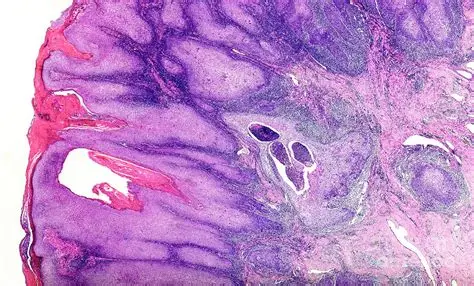
Penile Cancer
Solid Tumors
Overview
Penile cancer is a rare malignancy that develops in the tissues of the penis, most commonly originating in the skin of the glans (head) or the inner sheet of the foreskin. Over 95% of penile cancers are Squamous Cell Carcinomas (SCC). The disease is closely linked to several risk factors, most notably chronic infection with high-risk types of Human Papillomavirus (HPV), particularly HPV 16 and 18, which is present in approximately 40% to 50% of cases.
Other significant risk factors include phimosis (inability to retract the foreskin), which leads to the accumulation of smegma, chronic irritation, and inflammation; lack of neonatal circumcision; smoking; poor personal hygiene; and weakened immune status (such as HIV infection). Penile cancer typically begins as a small lesion, nodule, or ulcer that may be painless, often leading to a delay in seeking medical attention. Symptoms include a persistent sore or growth on the glans or shaft, redness, irritation, discharge with a foul odor beneath the foreskin, thickening of the skin, and unexplained bleeding.
As the tumor progresses, it can invade deeper structures, including the corpus cavernosum (erectile tissue) and the urethra, and spread to regional inguinal (groin) lymph nodes, followed by pelvic lymph nodes and distant organs. The primary goal of treatment is complete oncological resection while maximizing the preservation of penile length, cosmetic appearance, and sexual/urinary function.
When to Consult
Upon detection of penile lesion, ulcer, persistent sore, unusual discharge, or confirmed penile cancer diagnosis.
What to Bring
Biopsy reports, photographs of the lesion, imaging scans (CT, MRI pelvis), lymph node biopsy results, HPV test results, and complete urological history.
Risk Factors
Causes
Treatment Options
Organ-Sparing Surgery and Reconstruction
Organ-sparing surgery is the preferred approach for localized, early-stage penile cancer, aimed at preserving maximum penile length and function. Procedures include: Wide Local Excision, removing the tumor with a safe margin; Glans Resurfacing, removing the superficial skin of the glans and replacing it with a skin graft; Laser Ablation (using CO2 or Nd:YAG lasers) for superficial carcinoma in situ; and Partial Penectomy, removing the distal portion of the penis while leaving a stump long enough for upright urination and sexual function. Total Penectomy is reserved for extensive tumors invading deep into the shaft, requiring the creation of a perineal urethrostomy (a new urinary opening between the scrotum and anus). Reconstructive surgery using skin grafts or flaps is performed to optimize cosmetic and functional outcomes.
Inguinal Lymph Node Dissection (ILND)
Groin lymph node management is a critical curative component of penile cancer treatment, as the inguinal lymph nodes are the first site of metastatic spread. In patients with palpable groin nodes or confirmed micrometastases on sentinel biopsy, a bilateral Inguinal Lymph Node Dissection (ILND) is performed. This involves removing the superficial and deep lymph nodes in the groin. Because ILND carries a high risk of complications, including wound infections, skin flap necrosis, and chronic lymphedema (swelling of the legs and scrotum), modern surgeons utilize Modified ILND techniques (with smaller incisions and preservation of key anatomy) or Video-Assisted Secondary Inguinal Lymphadenectomy (VEIL) to reduce morbidity.
Systemic and Neoadjuvant Chemotherapy
Chemotherapy is utilized for advanced, node-positive, or metastatic penile cancer. For patients with bulky or fixed inguinal lymph nodes, Neoadjuvant Chemotherapy is administered before surgery to shrink the tumors, make them resectable, and treat micrometastatic disease. Adjuvant chemotherapy is given after surgery for patients with multiple positive nodes or extranodal extension to prevent recurrence. The standard systemic regimen is cisplatin-based, typically TIP (Paclitaxel, Ifosfamide, and Cisplatin) or BIP (Bleomycin, Ifosfamide, and Cisplatin). Chemotherapy is also used as a primary palliative option for metastatic disease to control growth and manage symptoms.
Radiation Therapy and Topical Treatments
Radiation therapy is an alternative organ-sparing option for selected patients with small, superficial tumors who decline surgery or are medically unfit. It can be delivered via External Beam Radiation Therapy (EBRT) or Brachytherapy (interstitial implants placed directly into the tissue). Radiation is also used adjuvantly in the groin and pelvis for patients with positive lymph nodes or extracapsular spread. For very early, pre-invasive lesions (erythroplasia of Queyrat or Bowen's disease), topical chemotherapy creams such as 5-Fluorouracil (5-FU) or Imiquimod are applied directly to the skin, stimulating a local immune response to clear the abnormal cells.
Frequently Asked Questions
Q. What is the most effective treatment for Penile Cancer?
The most effective treatment for Penile Cancer depends on the stage, location, molecular profile of the tumor, and the patient's overall health. Dr. R. Srinath Bharadwaj provides personalized protocols including chemotherapy , immunotherapy , targeted therapy , or combination approaches.
Q. Where can I get expert treatment for Penile Cancer in Hyderabad?
You can consult Dr. R. Srinath Bharadwaj, a leading Medical Oncologist, at the American Oncology Institute, Nallagandla, Hyderabad. Call +91 82476 51202 to schedule an appointment.
Q. What documents should I bring for a Penile Cancer consultation?
Please bring all recent biopsy reports, imaging scans (CT, MRI, or PET-CT), tumor markers, blood test results, and any previous treatment or surgery details to help outline your care plan.