Gastric Cancer
Advanced treatment options for stomach cancer including surgery, chemotherapy, and targeted therapy.
Gastric Cancer
Solid Tumors
Overview
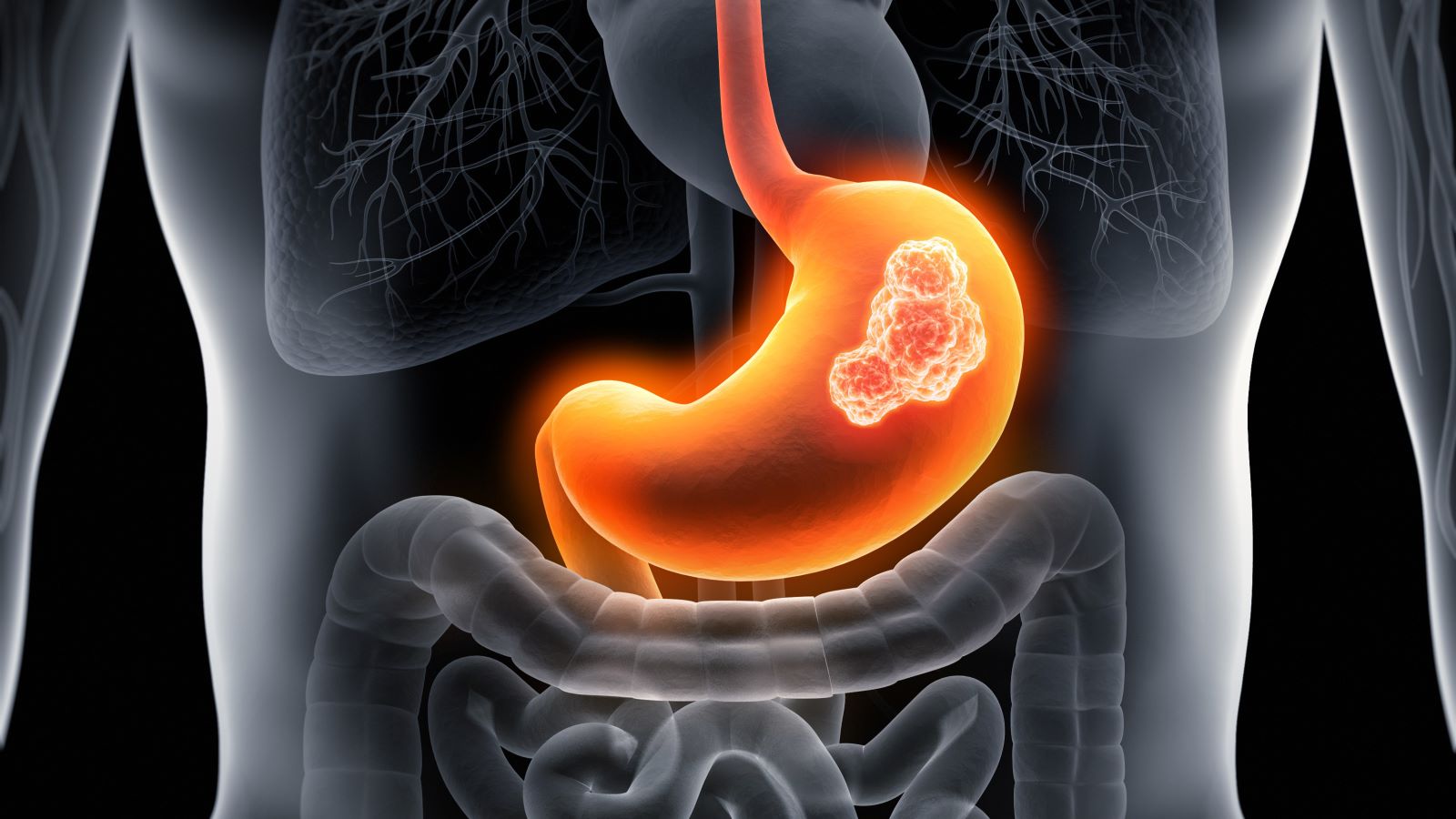
Gastric cancer, or stomach cancer, is a major gastrointestinal malignancy that originates in the mucous-producing cells lining the inner wall of the stomach. Over 95% of gastric cancers are classified as Adenocarcinomas, which are further divided histologically into two main types based on the Lauren classification: the Intestinal type, which is well-differentiated, associated with chronic inflammation and H. pylori infection, and commonly affects older males; and the Diffuse type, which is poorly differentiated, characterized by signet-ring cells, spreads rapidly through the stomach wall (sometimes causing a thickened, rigid stomach known as linitis plastica), affects younger individuals, and carries a worse prognosis.
Key risk factors include chronic infection with Helicobacter pylori bacteria, a diet high in salted, smoked, or pickled foods and low in fresh fruits and vegetables, smoking, heavy alcohol use, chronic atrophic gastritis, pernicious anemia, and inherited genetic syndromes such as Hereditary Diffuse Gastric Cancer (associated with CDH1 mutations) and Lynch syndrome. Early-stage gastric cancer is often silent or presents with non-specific symptoms like mild indigestion, heartburn, or early satiety, which are frequently self-treated. As the tumor grows and invades deeper stomach layers, symptoms include persistent upper abdominal pain, difficulty swallowing (dysphagia, especially for tumors in the cardia or gastroesophageal junction), nausea, vomiting (sometimes with blood), blood in the stool (melena), unexplained weight loss, fatigue due to iron deficiency anemia, and abdominal swelling.
When to Consult
Upon diagnosis of gastric cancer, persistent indigestion, stomach pain, difficulty swallowing, or suspicious findings on endoscopy.
What to Bring
Endoscopy reports, biopsy results, CT scans, HER2 testing results, MSI/MMR testing, PD-L1 testing, and previous treatment records.
Risk Factors
Causes
Treatment Options
Surgical Gastrectomy and Lymphadenectomy
Surgery is the primary curative treatment for localized gastric cancer. The type of surgery depends on the tumor's location within the stomach. A Subtotal Gastrectomy is performed for tumors in the distal part of the stomach (antrum), removing the lower portion and connecting the remaining stomach to the small intestine. A Total Gastrectomy is performed for tumors in the middle or upper part of the stomach, removing the entire stomach and connecting the esophagus directly to the small intestine (Roux-en-Y reconstruction). Accurate staging requires a D2 lymphadenectomy, which involves removing the regional lymph nodes along with their surrounding fat and blood vessels. Gastrectomy is performed open, laparoscopically, or robotically.
Perioperative and Adjuvant Chemotherapy
Chemotherapy is a cornerstone of treatment for gastric cancer. For patients with locally advanced resectable disease (Stage II or higher), perioperative chemotherapy (administered both before and after surgery) is the standard of care. The established standard regimen is the FLOT protocol (a combination of 5-Fluorouracil, Leucovorin, Oxaliplatin, and Docetaxel), given for 4 cycles before surgery and 4 cycles after. Preoperative chemotherapy shrinks the tumor, increases the likelihood of a complete surgical resection, and treats early microscopic metastases. Postoperative adjuvant chemotherapy (such as XELOX) is recommended for patients who did not receive preoperative therapy but underwent surgery.
HER2-Targeted and Immunotherapy
Targeted therapies and immunotherapy are combined with chemotherapy for advanced or metastatic gastric cancer based on molecular profiling. Approximately 15-20% of gastric cancers overexpress the HER2 protein; for these patients, adding the HER2-targeted monoclonal antibody Trastuzumab to first-line chemotherapy improves survival. For patients with high PD-L1 expression (Combined Positive Score [CPS] >= 5), adding the immunotherapy checkpoint inhibitor Nivolumab or Pembrolizumab to chemotherapy is the standard first-line treatment. Immunotherapy is also highly effective as monotherapy or in combination for the subset of patients with mismatch repair-deficient (dMMR/MSI-H) gastric cancer.
Second-Line Targeted Therapies and Palliative Care
For patients whose gastric cancer progresses after first-line treatment, second-line therapies are utilized to control disease and manage symptoms. The standard second-line therapy is the combination of Ramucirumab (a monoclonal antibody targeting VEGF Receptor 2 to inhibit tumor angiogenesis) and the chemotherapy drug Paclitaxel. Palliative care is integrated early to address symptoms: Endoscopic stenting or palliative radiation is used to bypass tumor obstructions at the esophagus or stomach outlet; blood transfusions treat anemia; and nutritional support (including enteral feeding tubes or parenteral nutrition) manages weight loss and malnutrition.
Frequently Asked Questions
Q. What is the most effective treatment for Gastric Cancer?
The most effective treatment for Gastric Cancer depends on the stage, location, molecular profile of the tumor, and the patient's overall health. Dr. R. Srinath Bharadwaj provides personalized protocols including chemotherapy , immunotherapy , targeted therapy , or combination approaches.
Q. Where can I get expert treatment for Gastric Cancer in Hyderabad?
You can consult Dr. R. Srinath Bharadwaj, a leading Medical Oncologist, at the American Oncology Institute, Nallagandla, Hyderabad. Call +91 82476 51202 to schedule an appointment.
Q. What documents should I bring for a Gastric Cancer consultation?
Please bring all recent biopsy reports, imaging scans (CT, MRI, or PET-CT), tumor markers, blood test results, and any previous treatment or surgery details to help outline your care plan.