Cholangiocarcinoma
Specialized care for bile duct cancer, including surgical options, chemotherapy, and targeted therapy.
Cholangiocarcinoma
Solid Tumors
Overview
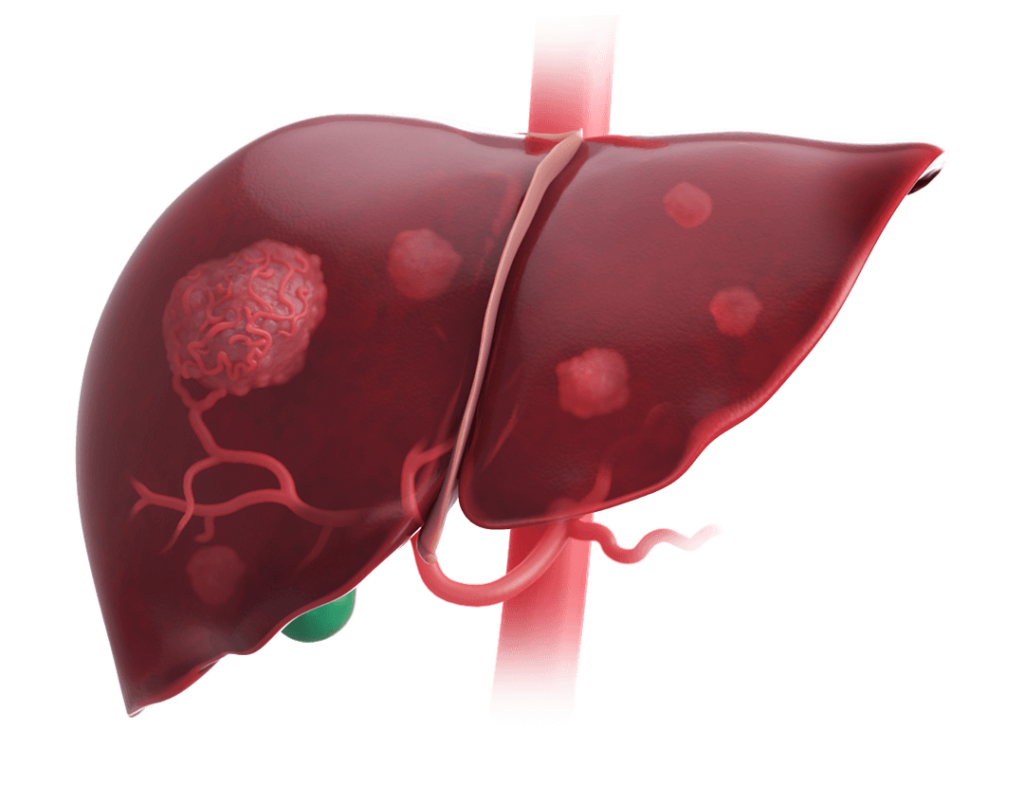
Cholangiocarcinoma, or bile duct cancer, is a rare and highly aggressive malignancy originating in the epithelial cells lining the bile ducts—the network of tubes that transport bile from the liver and gallbladder to the small intestine, where it aids in fat digestion. Cholangiocarcinoma is anatomically classified into three types: Intrahepatic (occurring in the small bile ducts inside the liver, about 10% of cases), Perihilar or Klatskin tumor (occurring at the junction where the left and right hepatic ducts meet outside the liver, about 50-60% of cases), and Distal (occurring in the bile duct closest to the small intestine, about 20-30% of cases). The disease is characterized by a dense, fibrous stroma (desmoplasia), which contributes to its resistance to systemic therapies.
Risk factors include chronic bile duct inflammation, such as Primary Sclerosing Cholangitis (PSC), choledochal cysts, liver fluke infections (common in parts of Southeast Asia), cirrhosis, and biliary tract stones. Symptoms of cholangiocarcinoma primarily develop due to bile duct obstruction. They include progressive, painless jaundice (yellowing of the skin and eyes), dark tea-colored urine, pale or clay-colored stools, generalized skin itching (pruritus), abdominal pain (typically in the upper right quadrant), unexplained weight loss, fever, and fatigue.
Because early-stage disease is usually silent, most patients present with advanced, unresectable, or metastatic disease.
When to Consult
Upon diagnosis of bile duct cancer, jaundice, unexplained weight loss, abdominal pain, or suspicious imaging findings.
What to Bring
CT/MRI scans, ERCP reports, biopsy results, CA 19-9 and CEA blood tests, genetic testing results (IDH1, FGFR2), and liver function tests.
Risk Factors
Causes
Treatment Options
Surgical Biliary Resection
Surgical resection offers the only potential cure for cholangiocarcinoma, but it is feasible in only a minority of patients who present with localized disease and have sufficient liver reserve. The surgical procedure depends on the tumor location: Intrahepatic tumors require a partial hepatectomy (lobectomy or trisegmentectomy); Perihilar tumors require a complex resection of the bile ducts along with a major liver lobe (hepatectomy) and caudate lobe, followed by biliary reconstruction (Roux-en-Y hepaticojejunostomy); Distal tumors are treated with a pancreaticoduodenectomy (Whipple procedure). During surgery, extensive portal lymph node dissection is performed. Achieving negative surgical margins (R0 resection) is the key prognostic factor.
Biliary Drainage and Stent Placement
Biliary drainage is a vital supportive and palliative intervention for patients with biliary obstruction, essential to relieve jaundice, treat or prevent biliary tract infections (cholangitis), alleviate skin itching, and improve liver function so the patient can tolerate chemotherapy . Drainage is achieved endoscopically via ERCP or percutaneously via PTC. During the procedure, the doctor passes a catheter through the stricture and places a self-expanding metal stent (SEMS) or a plastic stent to hold the bile duct open and restore bile flow. Stents may need to be replaced or cleared periodically due to tumor ingrowth or blockage.
Systemic and Adjuvant Chemotherapy
Chemotherapy is used as adjuvant therapy after surgery to reduce recurrence, or as the primary treatment for advanced, unresectable, or metastatic disease. Following curative resection, adjuvant chemotherapy with oral Capecitabine for 6 months is the standard of care based on the BILCAP trial. For advanced cholangiocarcinoma, the combination of Gemcitabine and Cisplatin is the established first-line systemic regimen. Recently, the addition of the immunotherapy drug Durvalumab to Gemcitabine and Cisplatin has shown a survival benefit, making it the new first-line standard. Second-line chemotherapy typically consists of the FOLFOX regimen (5-FU, Leucovorin, Oxaliplatin).
Molecular Targeted Therapies
Targeted therapies have revolutionized the treatment of advanced cholangiocarcinoma, particularly for patients whose tumors harbor specific genetic alterations identified through molecular profiling. Approximately 10-15% of intrahepatic cholangiocarcinoma cases have FGFR2 fusions or rearrangements; targeted FGFR inhibitors like Pemigatinib, Infigratinib, or Futibatinib are highly effective in this population. For patients with IDH1 mutations (present in about 15% of intrahepatic cases), the oral IDH1 inhibitor Ivosidenib is used. Other targeted options are utilized for HER2-positive, BRAF V600E-mutated, or NTRK-fusion positive cholangiocarcinoma, offering precise, non- chemotherapy options.
Frequently Asked Questions
Q. What is the most effective treatment for Cholangiocarcinoma?
The most effective treatment for Cholangiocarcinoma depends on the stage, location, molecular profile of the tumor, and the patient's overall health. Dr. R. Srinath Bharadwaj provides personalized protocols including chemotherapy , immunotherapy , targeted therapy , or combination approaches.
Q. Where can I get expert treatment for Cholangiocarcinoma in Hyderabad?
You can consult Dr. R. Srinath Bharadwaj, a leading Medical Oncologist, at the American Oncology Institute, Nallagandla, Hyderabad. Call +91 82476 51202 to schedule an appointment.
Q. What documents should I bring for a Cholangiocarcinoma consultation?
Please bring all recent biopsy reports, imaging scans (CT, MRI, or PET-CT), tumor markers, blood test results, and any previous treatment or surgery details to help outline your care plan.