Actinic Keratosis
Treatment for actinic keratosis, a precancerous skin condition that can develop into skin cancer if left untreated.
Actinic Keratosis
Solid Tumors
Overview
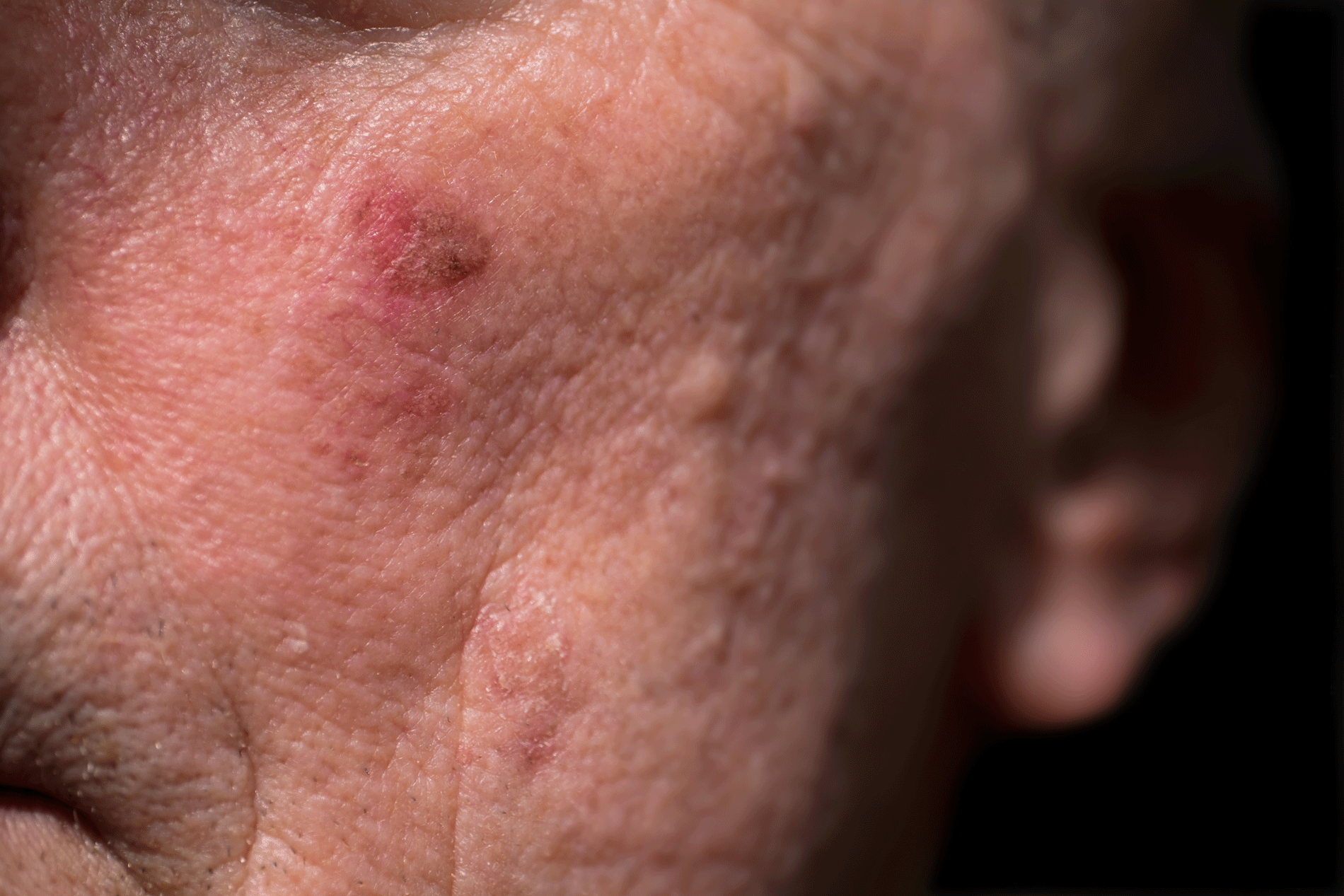
Actinic Keratosis (AK), also known as solar keratosis, is a common pre-cancerous skin lesion that develops on areas of the body that have been chronically exposed to ultraviolet (UV) radiation from the sun or indoor tanning beds. Actinic keratoses are considered the earliest stage in the development of Squamous Cell Carcinoma (SCC), a type of non-melanoma skin cancer. While the majority of individual AK lesions remain benign or may even regress spontaneously, a small percentage (estimated between 0.1% and 10%) progress to invasive SCC over time.
Because it is impossible to predict which lesions will undergo malignant transformation, treatment of identified lesions is recommended. AK lesions typically present as rough, dry, scaly, or crusty patches of skin that may feel like sandpaper. They range in size from a few millimeters to two centimeters and can be flesh-colored, red, pink, or brown.
They are most commonly found on sun-exposed areas including the face, scalp (especially in bald men), ears, neck, forearms, backs of the hands, and lower legs. Patients may feel the rough texture of the lesion before it becomes clearly visible. Some lesions may itch, burn, or bleed.
The accumulation of UV-induced DNA damage in epidermal keratinocytes is the underlying cause, leading to abnormal cell growth.
When to Consult
If you notice rough, scaly patches on sun-exposed areas of skin, especially face, scalp, ears, hands, or arms.
What to Bring
Previous skin biopsy reports, photographs of affected areas, list of medications, and history of sun exposure.
Risk Factors
Causes
Treatment Options
Cryotherapy (Liquid Nitrogen)
Cryotherapy is the most common and effective treatment for individual, discrete actinic keratosis lesions. It involves applying liquid nitrogen (-196 degrees Celsius) directly to the lesion using a spray gun or cotton swab. The extreme cold freezes and destroys the atypical epidermal cells. As the skin heals, the dead tissue sloughs off, and new, healthy skin cells regenerate. Cryotherapy is a quick, in-office procedure that does not require local anesthesia. Common side effects include temporary pain, redness, blistering, and swelling at the treatment site, with a risk of permanent hypopigmentation (white spots) or scarring.
Topical Field Therapies
Field cancerization refers to the presence of multiple subclinical or visible pre-cancerous lesions within an area of sun-damaged skin. Topical field therapies are creams or gels applied by the patient to treat the entire area (e.g., face or scalp). Options include: 5-Fluorouracil (5-FU) cream, a topical chemotherapy that blocks DNA synthesis in rapidly dividing cells; Imiquimod cream, an immune response modifier that stimulates the body's local immune system to destroy abnormal cells; Diclofenac gel, a non-steroidal anti-inflammatory drug that induces apoptosis; and Tirbanibulin ointment, a microtubule inhibitor. These treatments cause local skin inflammation, redness, and crusting during use, followed by clearing.
Photodynamic Therapy (PDT)
Photodynamic Therapy (PDT) is an advanced field treatment that combines a topical photosensitizing agent with a specific light source to destroy actinic keratosis. A compound, typically 5-aminolevulinic acid (ALA) or methyl aminolevulinate (MAL), is applied to the sun-damaged skin and left to incubate for a few hours, during which it is selectively absorbed by the rapidly dividing abnormal cells and converted into a light-sensitive substance. The area is then exposed to a specialized blue or red light source, triggering a chemical reaction that destroys the target cells while sparing healthy tissue. PDT offers high clearance rates and excellent cosmetic outcomes.
Surgical Curettage and Shave Excision
Surgical intervention is utilized for thick, hyperkeratotic actinic keratoses, or when there is suspicion of early progression to Squamous Cell Carcinoma. Under local anesthesia, the surgeon performs Curettage (scraping the lesion using a sharp loop instrument) followed by Electrodesiccation (applying heat to stop bleeding and destroy residual cells). Alternatively, a Shave Excision is performed to remove the lesion flat with the skin surface. These methods provide a tissue specimen for histological examination, confirming the diagnosis and ensuring no invasive cancer is present, while leaving a small scar.
Frequently Asked Questions
Q. What is the most effective treatment for Actinic Keratosis?
The most effective treatment for Actinic Keratosis depends on the stage, location, molecular profile of the tumor, and the patient's overall health. Dr. R. Srinath Bharadwaj provides personalized protocols including chemotherapy , immunotherapy , targeted therapy , or combination approaches.
Q. Where can I get expert treatment for Actinic Keratosis in Hyderabad?
You can consult Dr. R. Srinath Bharadwaj, a leading Medical Oncologist, at the American Oncology Institute, Nallagandla, Hyderabad. Call +91 82476 51202 to schedule an appointment.
Q. What documents should I bring for a Actinic Keratosis consultation?
Please bring all recent biopsy reports, imaging scans (CT, MRI, or PET-CT), tumor markers, blood test results, and any previous treatment or surgery details to help outline your care plan.