
Hodgkin Lymphoma
Treatment for Hodgkin lymphoma with chemotherapy, radiation therapy, and immunotherapy options.
Hodgkin Lymphoma
Hematologic Malignancies
Overview
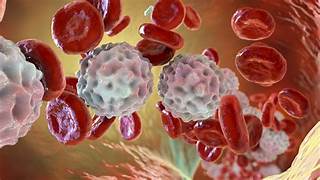
Hodgkin Lymphoma (HL) is a highly curable malignancy of the lymphatic system, which is part of the body's immune system. It is characterized by the presence of giant, abnormal B-lymphocytes called Reed-Sternberg cells, which typically have a multi-nucleated, 'owl-eye' appearance under a microscope. These Reed-Sternberg cells comprise only a small fraction of the tumor tissue, with the bulk of the tumor consisting of an inflammatory reaction of normal immune cells surrounding them.
Hodgkin Lymphoma exhibits a bimodal age distribution, primarily affecting young adults between 20 and 30 years old, and a second peak in older adults over 55. It is broadly categorized into two types: Classical Hodgkin Lymphoma (accounting for 95% of cases) and Nodular Lymphocyte-Predominant Hodgkin Lymphoma. The disease usually begins in a single lymph node group (most commonly in the neck, underarms, or mediastinum/chest) and spreads in a predictable, contiguous manner to adjacent lymph node chains.
The primary symptom is a painless, firm swelling of lymph nodes in the neck, armpit, or groin. Other symptoms include the classic systemic 'B symptoms': unexplained persistent fever, drenching night sweats, and unexplained weight loss of >10% body weight. Some patients experience a persistent dry cough, chest pain, or shortness of breath due to a large mediastinal mass, and a unique symptom is pain in lymph nodes after drinking alcohol.
When to Consult
After lymph node biopsy confirms Hodgkin lymphoma, persistent enlarged lymph nodes, night sweats, weight loss, or fever.
What to Bring
Biopsy report, PET-CT scan, bone marrow biopsy, blood test results, EBV testing, and staging workup results.
Risk Factors
Causes
Treatment Options
ABVD and BEACOPP Chemotherapy Regimens
Combination chemotherapy is the primary treatment for Hodgkin Lymphoma. For early-stage disease, the standard of care is the ABVD regimen (Doxorubicin, Bleomycin, Vinblastine, and Dacarbazine), typically administered for 2 to 4 cycles. For advanced-stage or high-risk disease, ABVD is given for 6 cycles. Alternatively, the more intensive escalated BEACOPP regimen (Bleomycin, Etoposide, Doxorubicin, Cyclophosphamide, Vincristine, Procarbazine, and Prednisone) is used in selected patients to improve control, though it carries a higher risk of toxicities and infertility. Modern treatment utilizes PET-adapted protocols, where chemotherapy is adjusted or de-escalated based on an interim PET-CT scan after 2 cycles.
Targeted Antibody-Drug Conjugate (Brentuximab Vedotin)
Brentuximab Vedotin (BV) is a targeted antibody-drug conjugate designed to bind to CD30, a protein antigen expressed on the surface of Reed-Sternberg cells. Once bound, BV is internalized by the cell, releasing a potent chemotherapy toxin (MMAE) that destroys the cancer cell from within, minimizing damage to normal tissues. BV is highly effective and is used in combination with chemotherapy (AVD) as a first-line treatment for advanced Hodgkin Lymphoma, as consolidation therapy following autologous stem cell transplant, or as a primary option for relapsed or refractory disease.
Immune Checkpoint Inhibitor Immunotherapy
Immunotherapy has emerged as a major advancement for relapsed or refractory Hodgkin Lymphoma. Reed-Sternberg cells frequently overexpress PD-L1 on their surface, allowing them to evade immune detection. Immune checkpoint inhibitors targeting PD-1, such as Nivolumab or Pembrolizumab, block this pathway, unleashing the patient's own T-cells to attack the tumor. These drugs achieve high response rates and long-term disease control in patients who have progressed after chemotherapy and autologous stem cell transplant. Immunotherapy is currently being evaluated in clinical trials for first-line settings.
Involved-Site Radiation Therapy (ISRT)
Radiation therapy is used as a consolidation treatment following chemotherapy , particularly for patients with early-stage disease or those who presented with bulky mediastinal masses. Modern protocols utilize Involved-Site Radiation Therapy (ISRT) or Involved-Node Radiation Therapy (INRT), which target only the originally involved lymph nodes rather than large lymphatic regions. By restricting the radiation field and using advanced delivery techniques (like deep inspiration breath hold), ISRT delivers high-dose radiation to the tumor while significantly reducing exposure to surrounding organs like the heart, lungs, and breast tissue, minimizing long-term side effects.
Frequently Asked Questions
Q. What is the most effective treatment for Hodgkin Lymphoma?
The most effective treatment for Hodgkin Lymphoma depends on the stage, location, molecular profile of the tumor, and the patient's overall health. Dr. R. Srinath Bharadwaj provides personalized protocols including chemotherapy , immunotherapy , targeted therapy , or combination approaches.
Q. Where can I get expert treatment for Hodgkin Lymphoma in Hyderabad?
You can consult Dr. R. Srinath Bharadwaj, a leading Medical Oncologist, at the American Oncology Institute, Nallagandla, Hyderabad. Call +91 82476 51202 to schedule an appointment.
Q. What documents should I bring for a Hodgkin Lymphoma consultation?
Please bring all recent biopsy reports, imaging scans (CT, MRI, or PET-CT), tumor markers, blood test results, and any previous treatment or surgery details to help outline your care plan.